
In recent years, global health events such as COVID-19 and Mpox have highlighted how quickly infectious diseases can capture public attention. With international travel, dense urban living, and shared environments, cities like Singapore must remain vigilant – even when the overall risk is low.
One virus that occasionally surfaces in regional health discussions is Nipah virus, scientifically known as Nipah virus (NiV). While there are no current reported NiV cases or outbreaks in Singapore, understanding the virus and how it behaves helps individuals, families, and businesses stay prepared rather than reactive.
This article explores what NiV is, how it spreads, how it compares to COVID-19, and what sensible hygiene and disinfection measures mean in a Singapore context.
What Is Nipah Virus (NiV)?
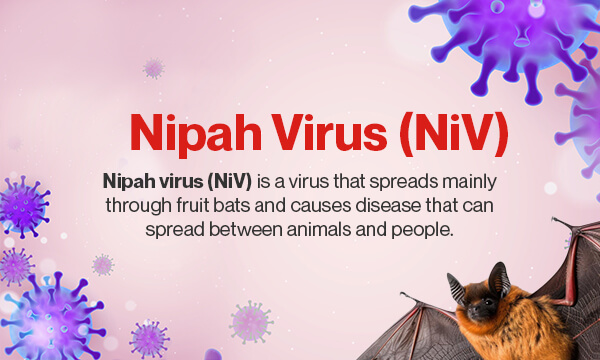
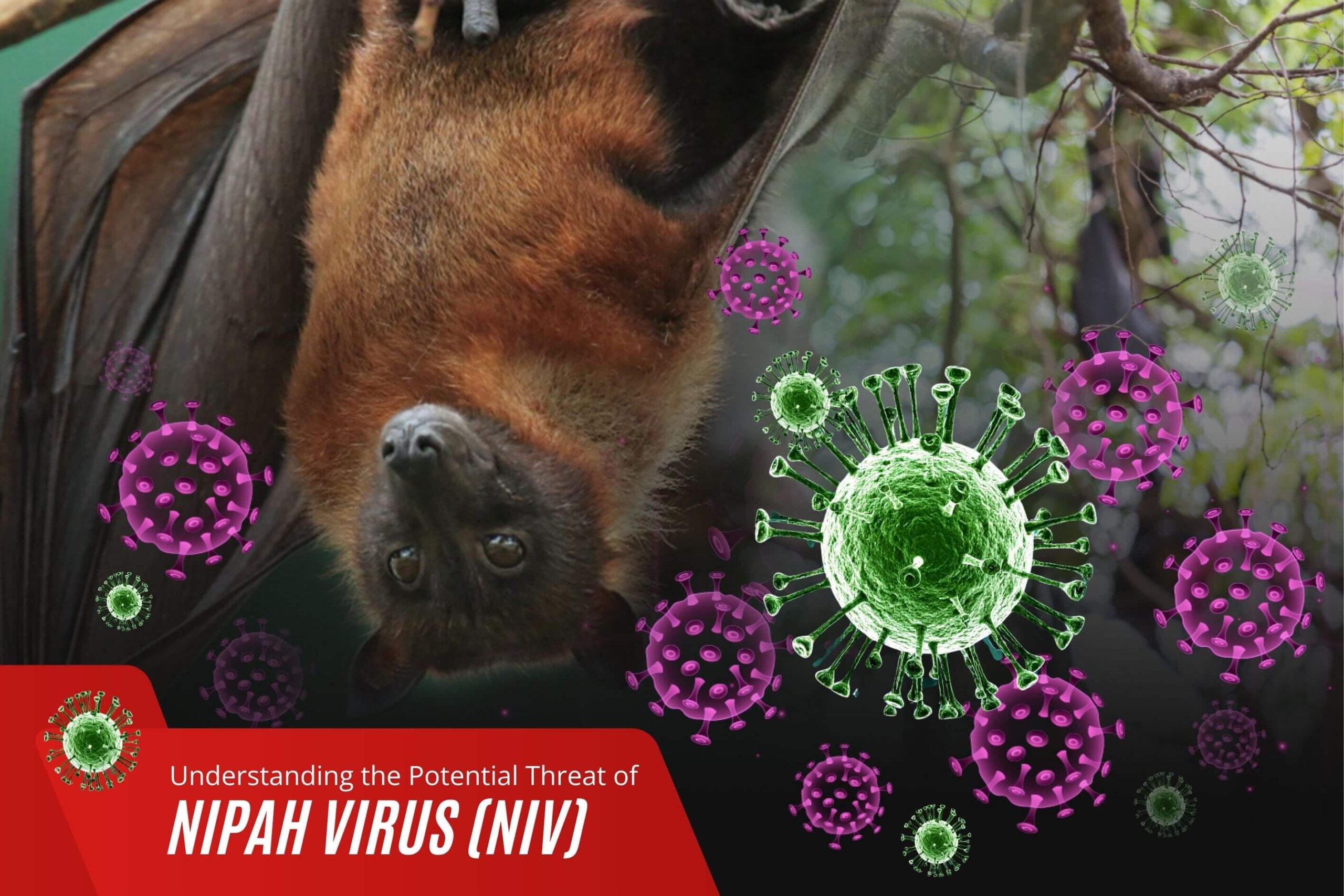
Nipah virus (NiV) is a rare zoonotic virus, meaning it can be transmitted from animals to humans. It was first identified in Malaysia in the late 1990s and has since caused small, localised outbreaks in parts of South and Southeast Asia.
Unlike common respiratory viruses, NiV is known for the severity of illness it can cause, rather than its ability to spread widely. Infected individuals may experience serious complications involving the brain and lungs, and severe cases can be life-threatening.
That said, NiV outbreaks are typically limited in size, and when identified early, they can be effectively contained through public health measures.
Is Singapore at Risk of Nipah Virus?
Singapore’s risk of NiV remains low, thanks to strong disease surveillance, healthcare infrastructure, and biosecurity controls. However, as a major travel and trade hub, Singapore cannot completely rule out the possibility of imported cases.
Potential exposure risks – while uncommon – may include:
- Travel to regions where NiV has previously been reported
- Close contact with an infected individual
- Exposure in caregiving or healthcare environments
For this reason, health authorities focus on preparedness, early detection, and infection control, rather than alarm.
For the general public and businesses, awareness and good hygiene practices remain the most effective safeguards.
How Does Nipah Virus (NiV) Spread?
NiV does not spread easily, especially when compared to viruses like COVID-19. Transmission usually requires close, direct contact.
Known routes of transmission include:
-
Animal-to-human transmission
NiV is naturally carried by fruit bats. Infection may occur through:
- Contact with bat saliva or droppings
- Consumption of food contaminated by bats
- Contact with infected animals such as pigs (historically)
-
Human-to-human transmission
This typically happens through:
- Close contact with body fluids such as saliva or blood
- Prolonged exposure in caregiving settings
- Inadequate protection when caring for an infected person
-
Environmental contamination (secondary risk)
Surfaces in spaces occupied by an infected person – such as bedrooms, bathrooms, and shared facilities – may become contaminated. While this is not the main transmission route, it reinforces the importance of proper cleaning and disinfection.
Related Read: Nipah Virus (NiV) explained in simple infographic →
Incubation Period: Why It Matters
The incubation period for NiV – the time between exposure and symptoms – is usually 5 to 14 days, though in rare cases it can be longer, up to 45 days.
This extended incubation window means:
- Symptoms may appear well after initial exposure
- Monitoring and early reporting are essential
- Precautionary cleaning may be advised in certain situations
For property owners and facility managers, this highlights the importance of responding promptly when advised by health authorities.
Symptoms Associated With Nipah Virus (NiV)
Symptoms of NiV infection can vary in severity and may worsen quickly.
Early symptoms may include:
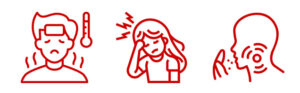
- Fever
- Headache
- Cough or sore throat
- Fatigue
More serious symptoms may include:
- Difficulty breathing
- Confusion or unusual drowsiness
- Seizures
Anyone experiencing severe symptoms after potential exposure should seek medical care immediately. Cleaning or maintenance work should only take place after proper medical clearance.
Nipah Virus (NiV) vs COVID-19: Understanding the Difference
Although both are viral infections, NiV and COVID-19 differ significantly in how they spread and how outbreaks are managed.
| Area | Nipah Virus (NiV) | COVID-19 |
| Ease of spread | Low | High |
| Main transmission | Close contact, body fluids | Airborne & droplets |
| Incubation period | 5–14 days (up to 45) | 1–14 days |
| Severity per case | Very high | Generally lower |
| Vaccine availability | None | Available |
| Outbreak scale | Small, localised | Global |
In simple terms:
- COVID-19 spreads faster
- NiV is far more severe per infection
This is why NiV cases trigger strict isolation and environmental hygiene measures, even when numbers are very low.
Disinfection and Hygiene: Similar Principles to COVID-19
When it comes to environmental hygiene, NiV disinfection protocols are broadly similar to those used during COVID-19, particularly in healthcare and high-risk settings.
These principles include:
- Restricting access to affected areas
- Using appropriate personal protective equipment (PPE)
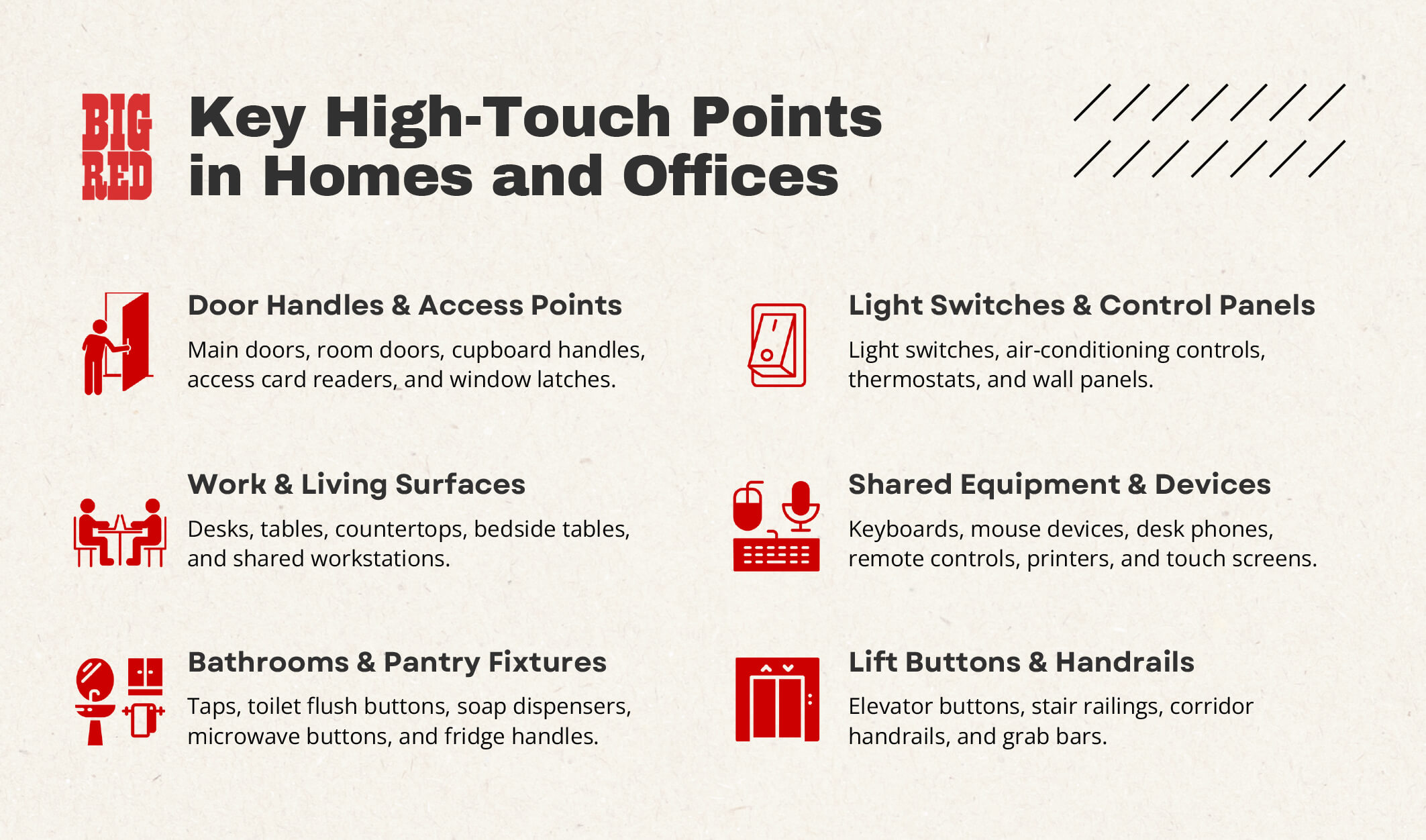
- Thorough cleaning of frequently touched surfaces
- Applying approved disinfectants effective against viruses
- Safe handling and disposal of waste
Rather than requiring entirely new processes, NiV preparedness builds on infection control practices that Singapore residents and businesses are already familiar with from the COVID-19 experience.
For suspected or confirmed cases, professional disinfection is typically recommended to ensure safety and compliance with health guidelines.
Why Preparedness Still Matters
Even though NiV remains rare, preparation helps prevent confusion and unnecessary risk.
For households, workplaces, and shared facilities, this means:
- Encouraging early medical attention for symptoms
- Maintaining good hand hygiene and cleanliness
- Avoiding direct contact with bodily fluids
- Following official guidance if a suspected case arises
For commercial properties and employers, having a clear response plan provides reassurance to occupants and staff.
Staying Informed Without Alarm
There is no immediate threat of a Nipah outbreak in Singapore, and the overall risk remains low. However, awareness allows for calm, informed action if needed.
Singapore’s experience with COVID-19 has shown that early response, discipline, and proper hygiene are highly effective in managing infectious disease risks. The same principles apply to NiV.
Final Thoughts
Emerging infectious diseases like Nipah virus (NiV) remind us that health preparedness is an ongoing responsibility – not a cause for fear.
By staying informed, practising good hygiene, and relying on professional infection control measures when required, homes and businesses can maintain safe environments with confidence.
Preparedness is not about panic — it is about readiness, responsibility, and resilience.
Singapore Professional Disinfection Service
Schedule preventive cleaning and disinfection today.

